
Buying a fine violin, viola or cello is a very personal matter. An instrument should be convincing in sound, suit the player's style and ideally remain a companion for many years. At the same time, older stringed instruments often represent substantial sums. Provenance, authenticity, condition, restoration and market value cannot be reliably assessed from a cursory glance at the label or a few attractive photographs.
This raises a legitimate question: why buy from a specialist dealer when instruments are also offered privately, on online platforms or at auction?
The short answer is that you are not paying solely for the instrument. You are also paying for selection, experience, examination, accountability and security. The longer answer is more interesting—for with old instruments in particular, a good dealer's greatest value often lies in the mistakes the customer no longer has to make.
The Dealer Has Already Paid the Price of Experience
In the instrument trade, experience does not come from books, certificates or theoretical knowledge alone. It is gained through thousands of comparisons, through instruments personally handled, through auctions, workshop discussions, expert opinions and observation of the market—and through one's own poor decisions as well.
Almost everyone who has seriously dealt with old instruments for many years has paid the price of experience. One buys an instrument whose origin later proves to be different; underestimates a repair; judges a varnish too optimistically; or trusts an attribution that fails to withstand thorough examination. Such experiences are financially painful, but they sharpen the eye.
Ideally, an experienced dealer has already paid this price on behalf of his customers. He is familiar not only with the gratifying examples, but also with borderline cases, deceptions, misattributions and problematic restorations. The customer is therefore buying more than wood, varnish and sound: he benefits from a wealth of experience accumulated over many years, often at considerable expense.
„The value of experience lies not only in recognising what is good, but above all in identifying and rejecting problematic instruments in good time.“
Selection Also Means Saying No
A reputable dealer by no means buys every instrument he is offered. Much of the work takes place before an instrument ever enters the collection. It is examined, measured, played, compared with documented examples and, where appropriate, assessed by restorers or external experts.
Many pieces are rejected: because the attribution is unconvincing, the condition does not justify the price, important parts have been altered, restoration would be disproportionate, or the sound fails to carry despite an appealing appearance. This preliminary selection usually remains invisible to the eventual buyer, yet it is one of the trade's most important services.
Anyone buying privately or at auction must perform this filtering themselves. That can be interesting and may occasionally lead to a good find. But it also means that buyers must assess and bear every risk themselves. An apparent bargain can quickly become expensive if, after the purchase, open seams, a problematic bass bar, a dropped neck, old table cracks or previously undetected varnish alterations come to light.
Authenticity Is More Than a Slip of Paper Inside the Instrument
The label inside a violin is, first and foremost, merely a slip of paper. It may be original, may have been inserted later, may bear the name of a workshop or may simply refer to a model. Even an old label does not automatically prove that the instrument and label originally belonged together.
A sound classification emerges from the overall picture: model, arching, outline, f-holes, scroll, purfling, edgework, choice of wood, varnish, internal construction and individual workmanship must all be consistent with one another. For important instruments, provenance, earlier documentation, dendrochronological examinations or assessments by recognised specialists may also be considered.
A reputable dealer states the attribution as precisely as the available expertise allows. He distinguishes between an instrument by a particular maker, the work of a workshop, the circle of a violin maker, a regional school, or an instrument after a particular model. These distinctions in wording are no minor matter—they can be decisive to the instrument's significance and value.
When purchasing from a specialist dealer, the customer receives an invoice and a specific description for which the seller accepts responsibility. Depending on the instrument, certificates or written confirmations may also be provided. Where authenticity or provenance is expressly guaranteed, that guarantee forms part of the basis of the transaction. This is fundamentally different from private-sale wording such as “according to the label” or “probably Italian”.
Condition Determines More Than Price
Two outwardly similar instruments may merit entirely different financial valuations. An expertly restored old violin with transparently documented repairs can be an excellent, stable instrument. A poorly executed repair, by contrast, can substantially impair sound, durability and value.
The crucial question is not whether an old instrument has ever been repaired—this is normal for centuries-old pieces. What matters is what was repaired, how the work was carried out and whether it now presents a technical or financial risk.
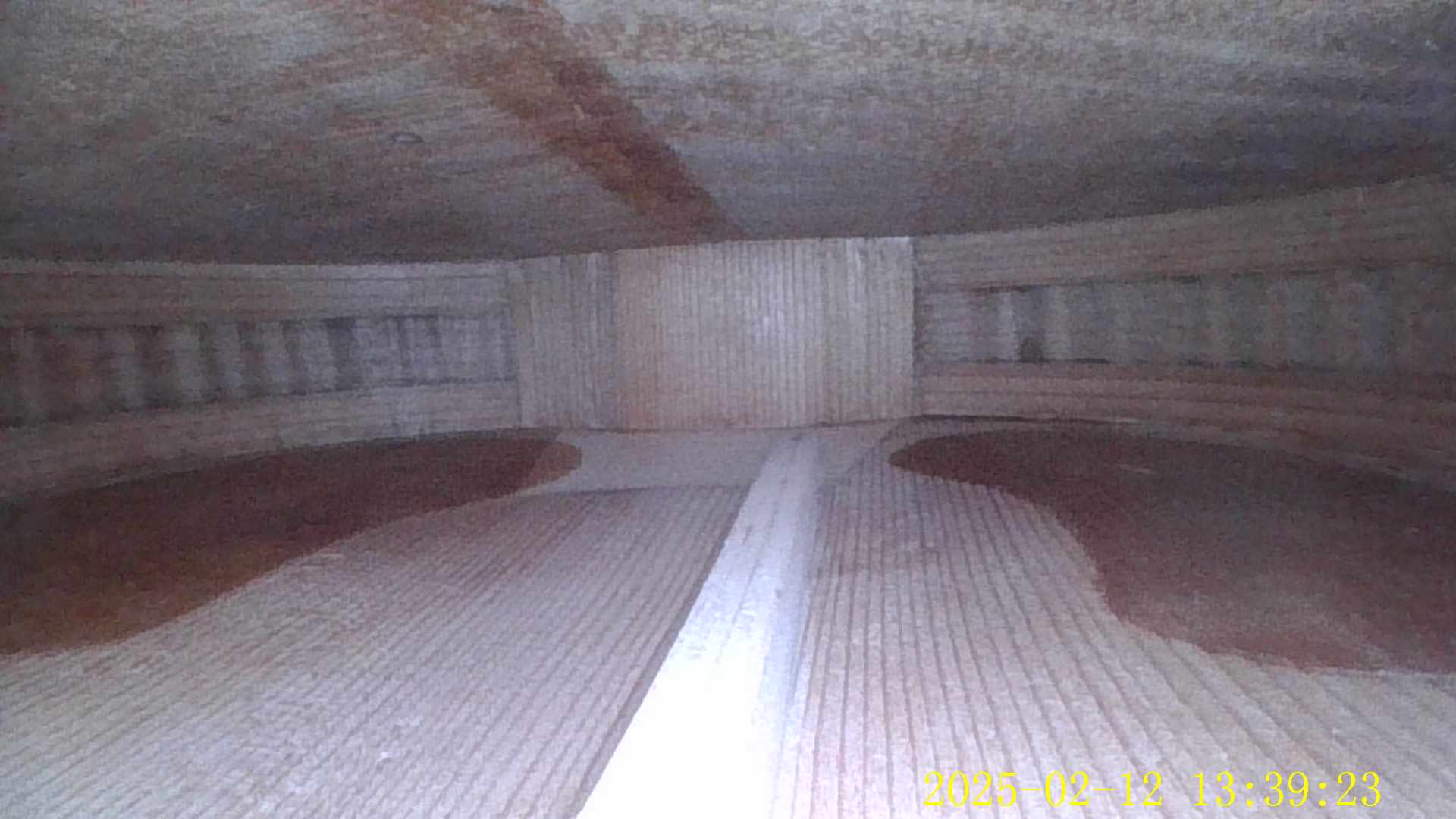
A specialist dealer should identify, assess and openly disclose existing damage and significant restorations. These may include cracks in the table or back, soundpost cracks, edge replacements, alterations to the neck and scroll, worm damage, doubling, varnish retouching or interventions in the internal construction. Where necessary, a restorer is consulted and a condition report prepared.
The buyer therefore does not receive the unrealistic assurance that an old instrument is flawless. He receives something more valuable: a professional, comprehensible assessment of its actual condition.
Statutory Rights, Assurances and an Accessible Point of Contact
In a private sale, liability is often largely excluded. If problems subsequently arise, the seller may be difficult to reach or may not possess the knowledge required to assess provenance and condition correctly.
A professional specialist dealer bears a different degree of responsibility. Statutory consumer rights apply, as does the agreed condition of the instrument. Beyond this, a reputable dealer stands by his statements and clearly records material assurances regarding authenticity, provenance and condition in the invoice, purchase agreement or accompanying documents. The precise scope always depends on the specific offer and written agreement—blanket promises are no substitute for proper documentation.
The practical aspect is equally important: there is someone to contact after the purchase. If a seam opens, the set-up needs adjustment, or a question arises regarding insurance, transport, care or eventual resale, each conversation does not have to start again from scratch.
You Cannot Buy Sound from a Photograph
An instrument may be important yet still fail to suit the player. Conversely, a less celebrated name may be exactly the right musical choice. Sound is not a single value such as volume. It encompasses response, projection, capacity for modulation, tonal colours, resistance, balance across the strings, and how the instrument behaves under the ear and in the room.
A good dealer therefore does not simply try to sell the most expensive instrument. He listens: what kind of sound does the musician envision? Is the player looking for a soloistic instrument, a warm orchestral tone or a flexible violin for chamber music? How strong is the bow hand? Is greater resistance desired, or an especially easy response?
Directly comparing several instruments under the same conditions brings many things into sharper focus. Players often discover only by switching between instruments what truly matters to them. Careful preselection saves time while also guarding against the understandable temptation to be impressed by name, age or appearance alone.
Why an Old Instrument?
An old instrument is not automatically better than a new one. Outstanding contemporary violin makers build instruments of the highest calibre. The decision should therefore never be based solely on the instrument's year of birth.
Old instruments may, however, possess qualities that hold particular appeal for many musicians: a mature complexity of sound, a broad overtone spectrum, an individual response and a tonal colour that is difficult to describe in a few words. There is also the individuality of their craftsmanship and history. Wear, varnish, wood and model tell a story without turning the instrument into a museum piece.
For well-selected examples, value retention may also play a role. The decisive factors are not merely age and name, but authenticity, quality, condition, rarity, documentation and demand. A reputable dealer will not promise guaranteed appreciation. He can, however, explain which factors underpin the market, how comparable instruments are traded, and where expectations are realistic or speculative.
A Realistic Price Rather Than an Apparent Bargain
A dealer's price includes services that are not immediately visible in the instrument itself: research and selection, capital commitment, insurance, transport, examination, restoration, set-up, documentation, taxes, statutory warranty obligations and personal service.
An instrument purchased privately or at auction may initially appear less expensive. Yet buyer's premium, taxes, shipping, insurance, import costs and restoration must often be added to the hammer price, along with the risk of misjudgement. Above all, there is frequently no opportunity to try several instruments at leisure under comparable conditions.
A dealer's price should therefore not be compared with the auction hammer price alone. A meaningful comparison is possible only with the total cost of an examined, properly described instrument in playing condition—including the risk assumed by another party.
Trying, Comparing and Allowing a Decision to Mature
An instrument does not always reveal its qualities within the first five minutes. Some violins make an immediate impression but become tiring over a longer period. Others initially seem more reserved, yet reveal an ever-greater range of possibilities as the player becomes more familiar with them.
A thorough trial, comparison with the player's own instrument and—subject to agreement—a trial in familiar surroundings are therefore part of a sound purchasing process. Teachers, professors or trusted colleagues can usefully be involved. It is important that the decision not be made under artificial pressure.
A dealer with a good selection has no reason to fear comparison. On the contrary: the more clearly musicians understand why a particular instrument suits them, the more enduring their decision will be.
Still Relevant Years Later: Documentation and Resale
Few people begin a purchase by thinking about a future sale. Nevertheless, it is wise to consider the future. A clear invoice, photographs, certificates, condition documents and provenance information make insurance, estate administration and eventual resale substantially easier.
An established dealer knows the instrument and its history. He can assist with a later valuation, provide contacts or—where it suits the business model and the instrument—facilitate a resale or trade-in. This is not a blanket repurchase guarantee, but it does provide valuable continuity.
How Can You Recognise a Reputable Dealer?
Reputability is not demonstrated by grand claims. A good dealer explains what is known and where the limits of knowledge lie. He distinguishes facts from assessments, discusses repairs openly and does not turn a plausible supposition into a certainty.
He enables comparisons, answers questions, documents material information in writing and consults external specialists where necessary. He also respects a customer's decision not to buy. Particularly importantly, he does not merely sell a name, but considers whether quality, sound, condition and price are convincing as a whole.
One should be wary when extraordinary attributions are justified by a label alone, when questions about condition receive evasive answers, when time pressure is applied, or when a price is said to be sensationally low simply because everyone else has supposedly overlooked the instrument's value.
Conclusion: Security Is the Sum of Many Small Checks
Buying from a specialist dealer does not eliminate every uncertainty. Old instruments remain individual, complex objects, and experts too must formulate their assessments with care. Yet a reputable dealer substantially reduces the risks through experience, preselection, comparison, condition assessment, transparent attribution, written accountability and after-sales service.
Perhaps his greatest contribution is invisible. It consists of all the instruments he did not buy, the mistakes he himself made and paid for in the past, and the doubts he resolved before the sale.
The customer should not have to pay the price of experience all over again. He should be able to focus his attention where it belongs: on whether the instrument is musically inspiring, functions reliably and will remain a good fit over the long term.